
Physics-Driven Puzzle Games
Draw Force. Solve Space.
Hand-crafted vector puzzles that actually teach you how things move.
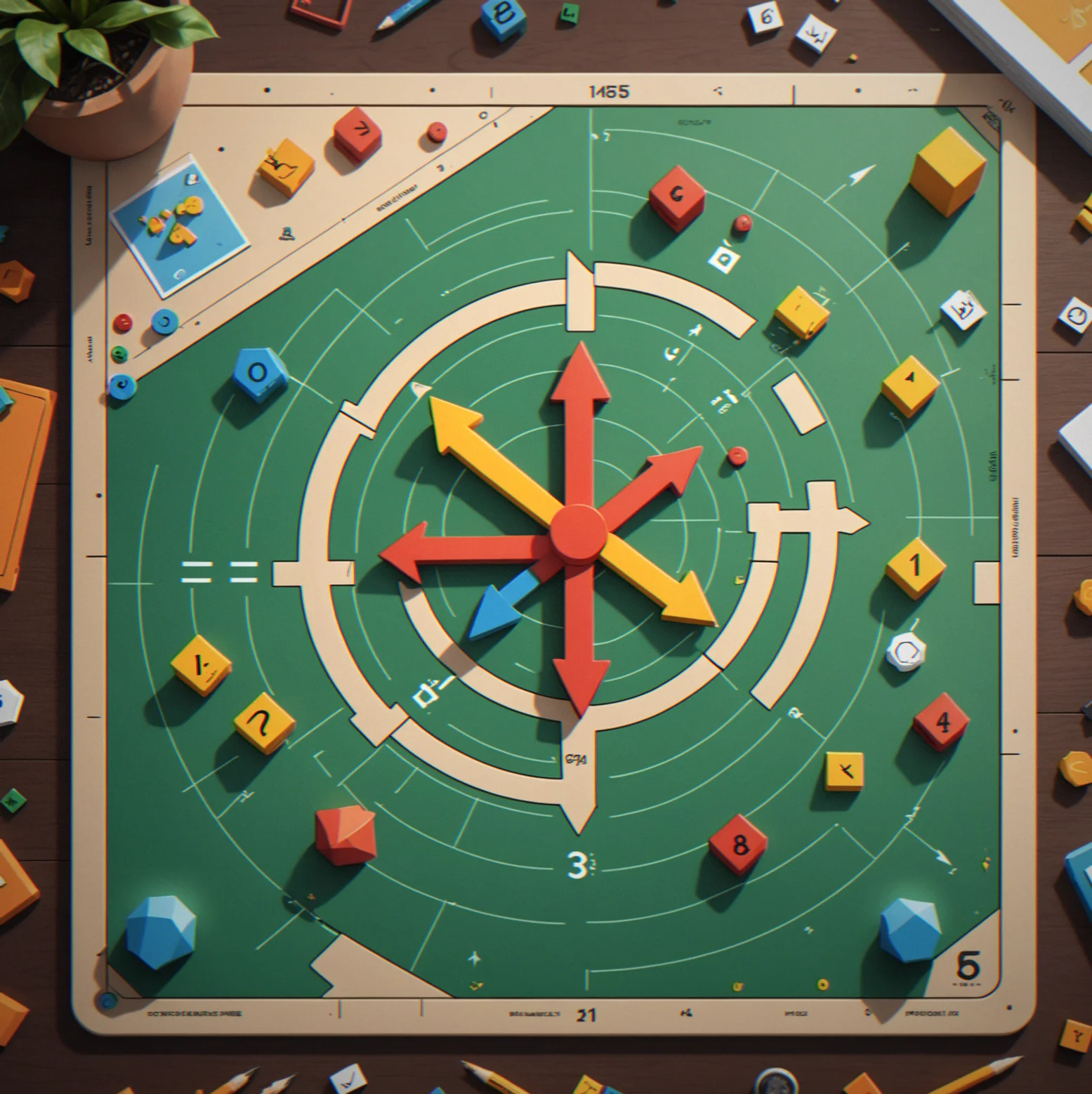
What's the difference between a puzzle game and something that actually feels like a puzzle? It comes down to mechanics. Instead of clicking tiles, you're drawing vectors. That means you're thinking about force, angle, and how strong the push needs to be. Every level was built by hand. Every puzzle you solve teaches you something real about physics.
Here's what makes it click: you draw a vector at a 45-degree angle with the right amount of force, and the object moves exactly how physics says it should. No randomness hiding weak design. No procedural generation throwing random layouts at you. It's just solid physics, levels that were thought through, and that feeling you get when you finally understand a system well enough to use it.
Vector Drawing Input
You're not clicking or tapping—you're drawing force arrows straight into the space. Even a 5-degree shift in angle can completely change what happens. That hands-on feeling trains your spatial sense in a way those tile-matching games just can't touch.
Hand-Crafted Level Design
Someone actually sat down and built each obstacle course by hand. There's no random generation involved. That means every puzzle has a reason for existing—the designer had a specific spatial idea they wanted you to work through. Nothing's thrown in just to pad things out.
Predictable Physics
You put a vector in at 30 degrees with a magnitude of 8, and it'll behave the same way every single time. This matters because you can actually think your way to the answer instead of just randomly trying things until something works. Logic beats guessing.
Obstacle Course Structure
You're not unlocking new mechanics through some story sequence. Instead, you progress by moving through different environments. The early courses introduce friction. As you go deeper, you hit moving platforms. By the end, you're dealing with trajectory fields that reshape your force mid-flight. Every new obstacle forces you to dig deeper into the same underlying physics.
Pure Spatial Problem-Solving
If angles and distances are how your brain naturally works, if you can picture force vectors without much effort, this is built for you. No twitch reflexes. Nothing to memorize. Just spatial thinking, clean and straightforward.
Play at Your Own Pace
A puzzle might take you 3 minutes. Another could eat up twenty. There's no timer pushing you, no progression treadmill. You can bounce between levels, revisit old ones, dig for alternate solutions—whatever fits how you actuually like to work.
Learning Compounds
Crack a handful of early puzzles and you've picked up something about how angles work. Solve a few more and you'll start seeing trajectories before you even draw them. The real payoff isn't just winning a level—it's noticing your brain actually understands this stuff better than it did yesterday.
Vector Puzzle in Motion
The obstacle courses are all hand-made and they demand you actually understand what you're doing. Each new one throws a different constraint at you. [And here's the thing that's kind of cool about it: the physics stays the same the entire time—everything just gets weirder and more layered as you go.] You start seeing how force, angle, and magnitude play off each other across all these different kinds of spaces.
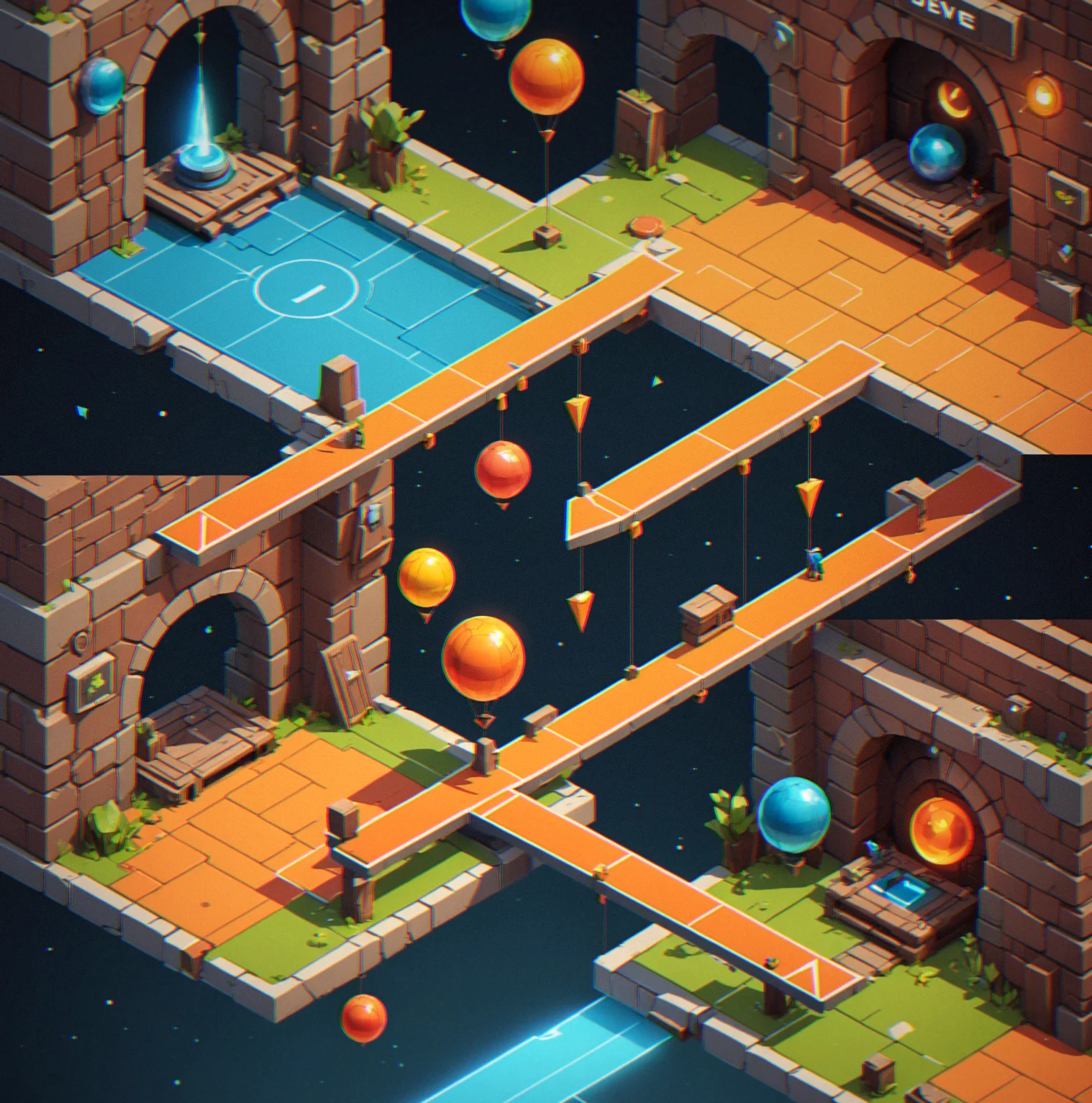
Starting point. Nothing complicated.
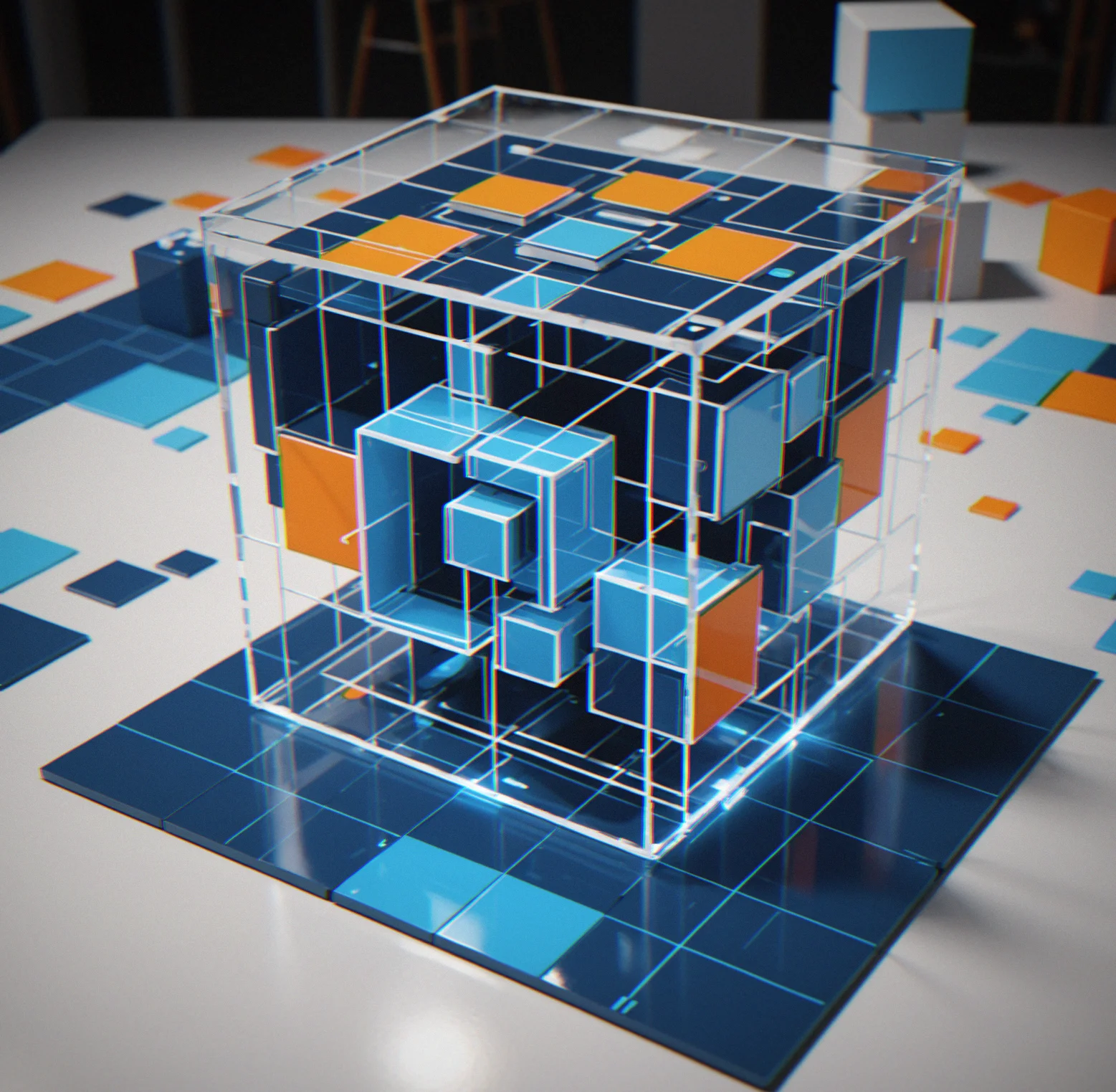
Once friction gets involved, your trajectory calculations change completely.
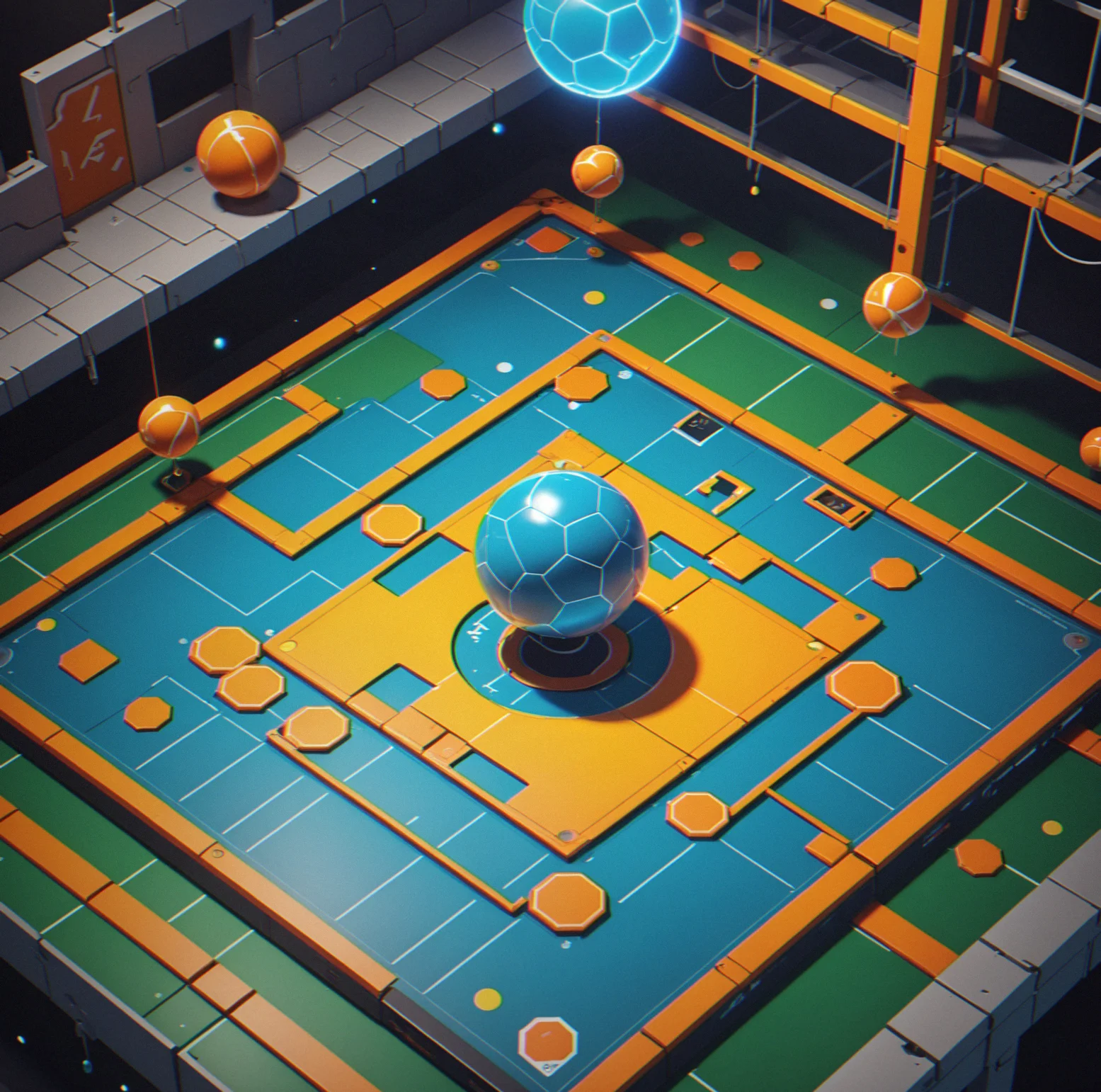
It's not about timing. It's abotu understanding the physics.
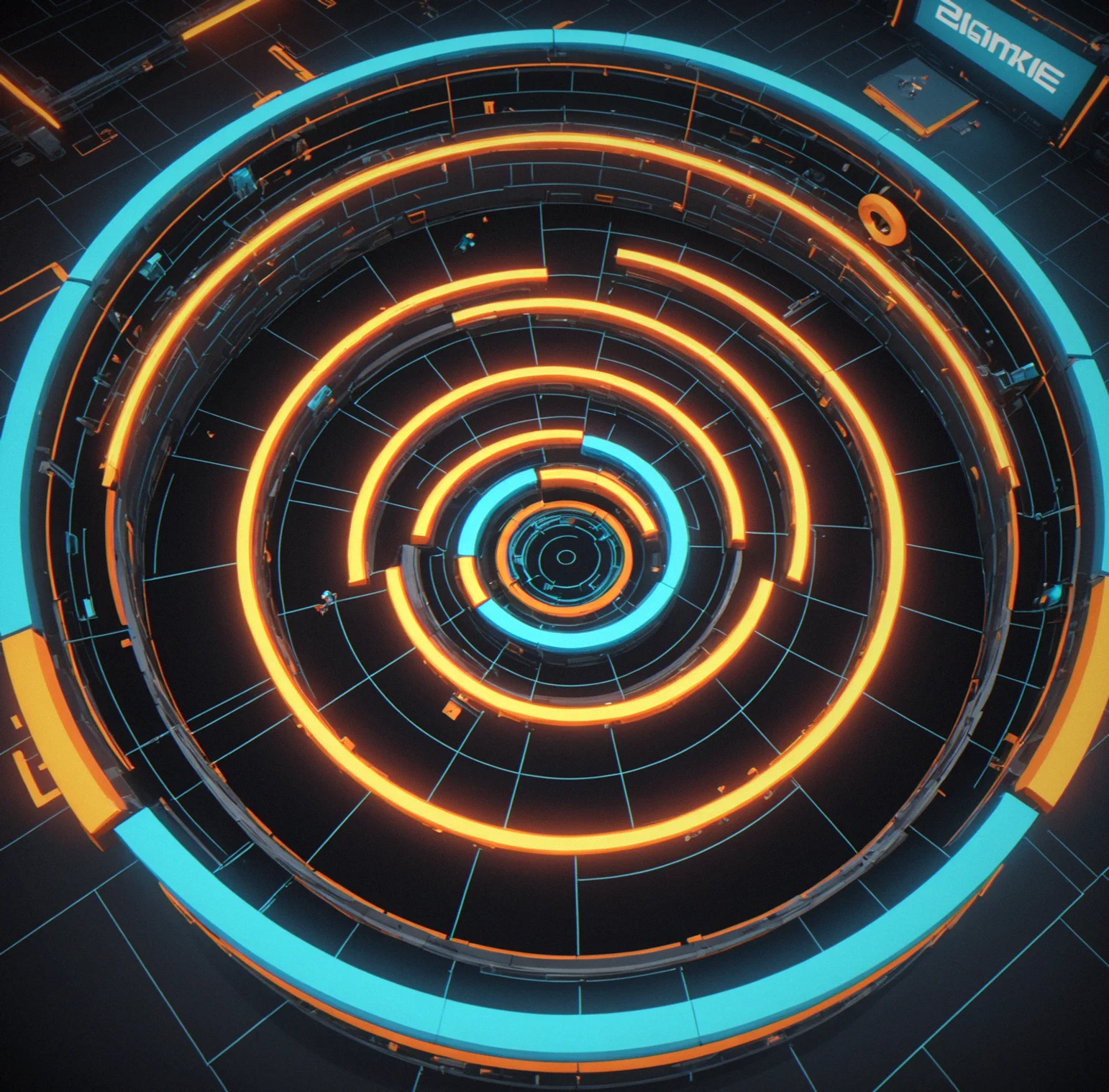
Force fields mid-flight mess with your vectors in ways that feel unpredictable but aren't actually random.
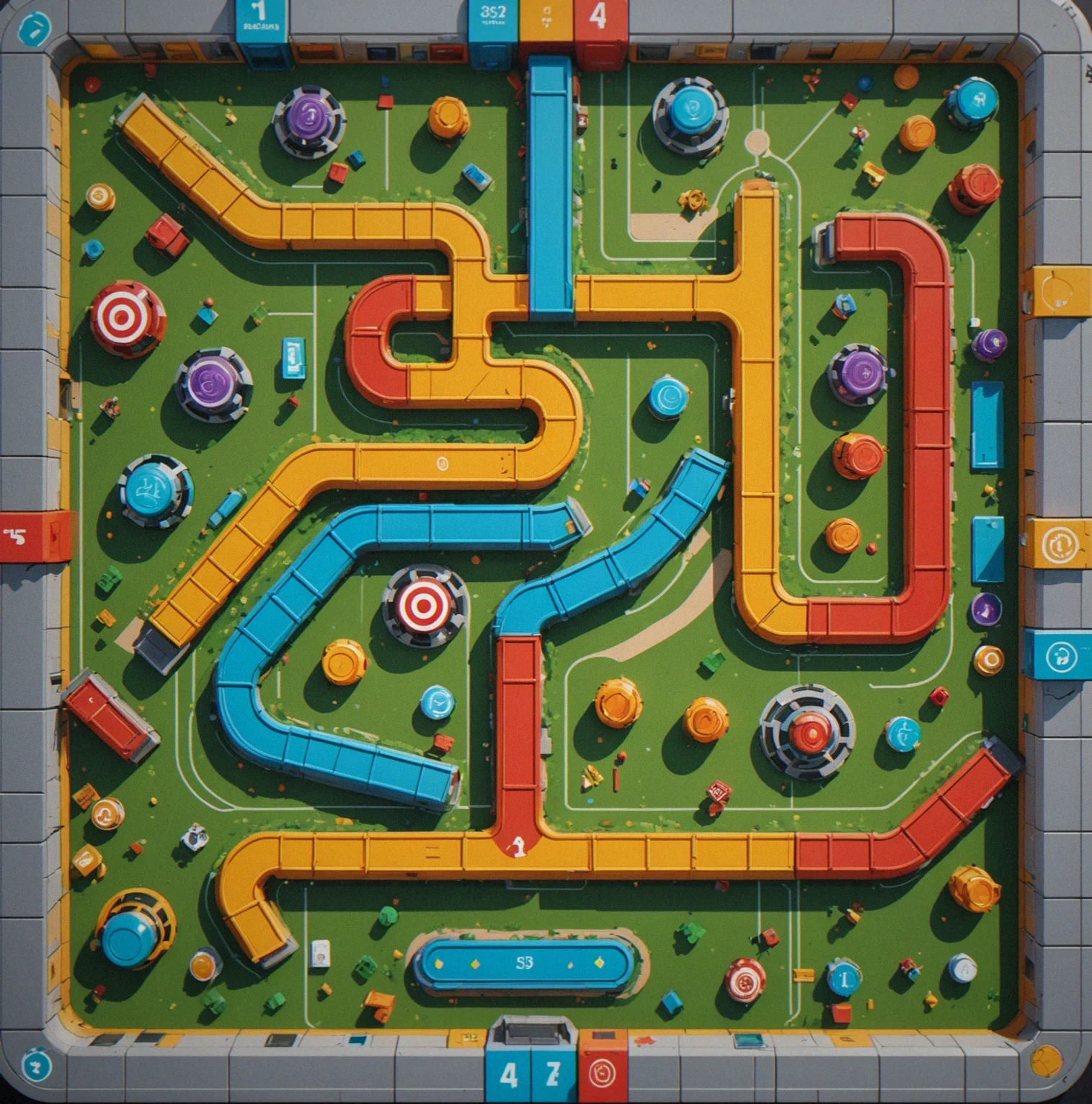
Each stage builds on what you already know.
Puzzle States and Mechanics
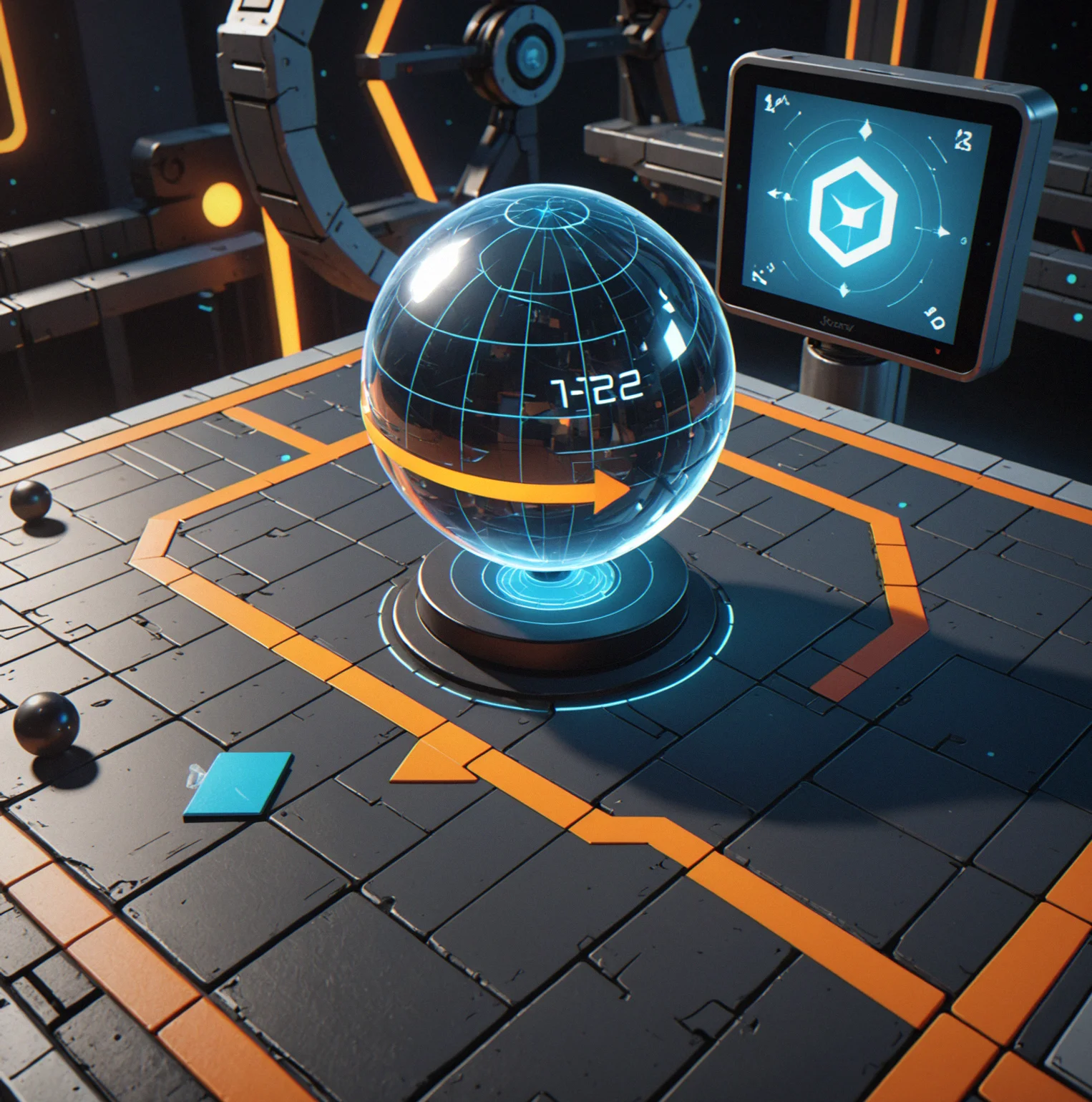
Force vector application
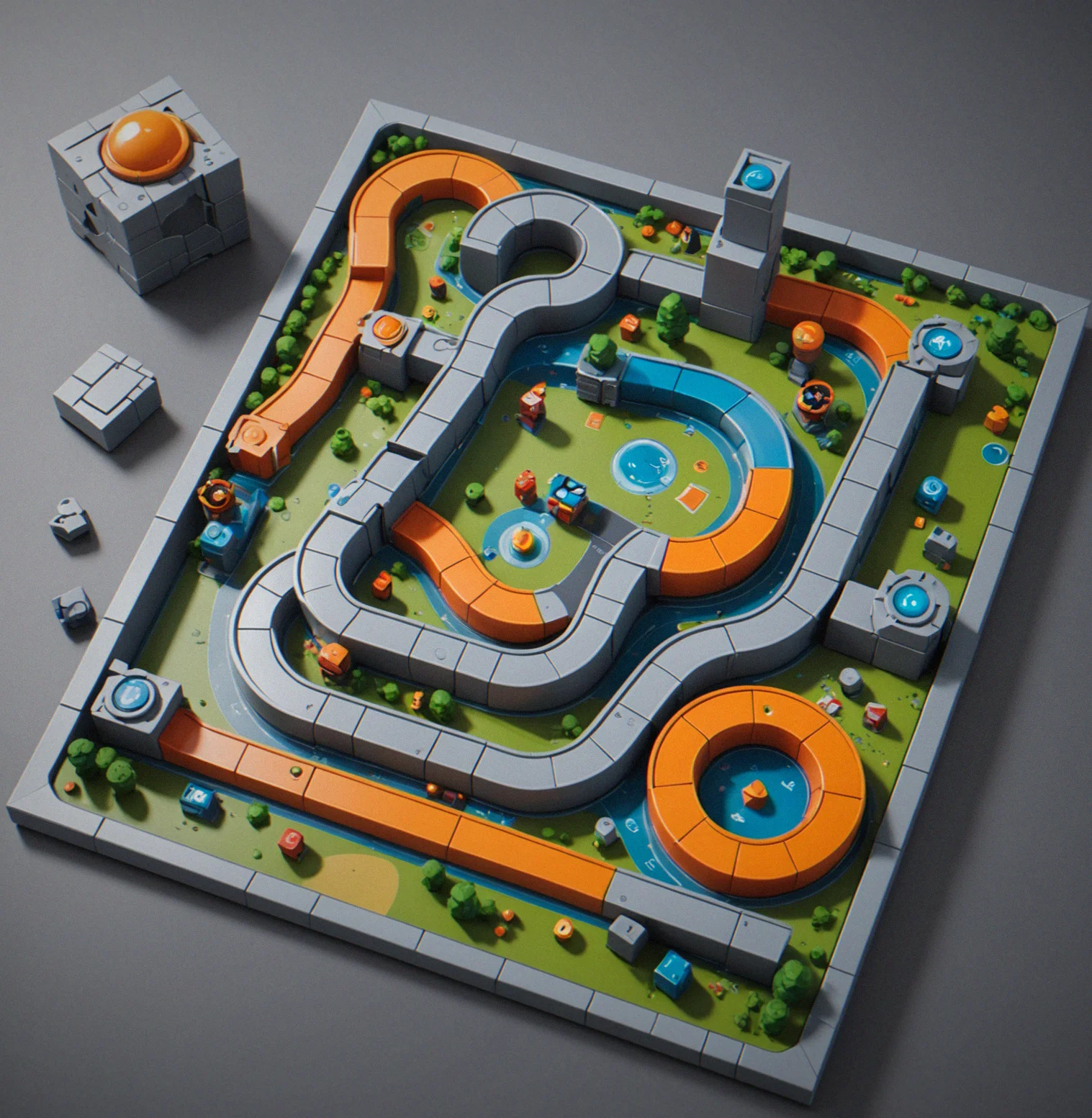
Friction zone interaction
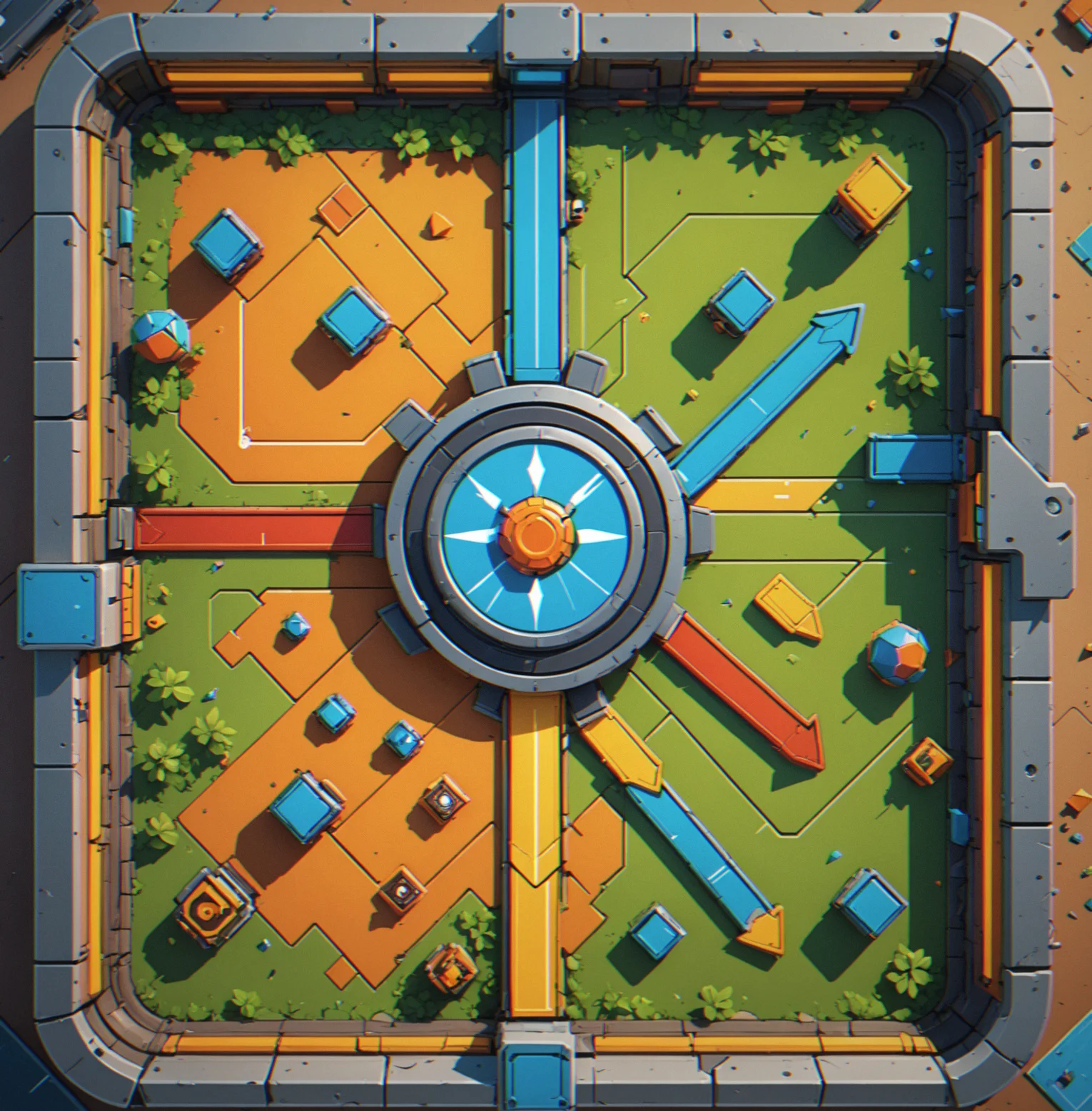
Dynamic obstacle response
Vector puzzles look simple at first glance. A ball, a target, empty space. Then you notice the angles actually matter, the force you apply matters, and nothing stays still. These screenshots show what you're dealing with when you solve them.
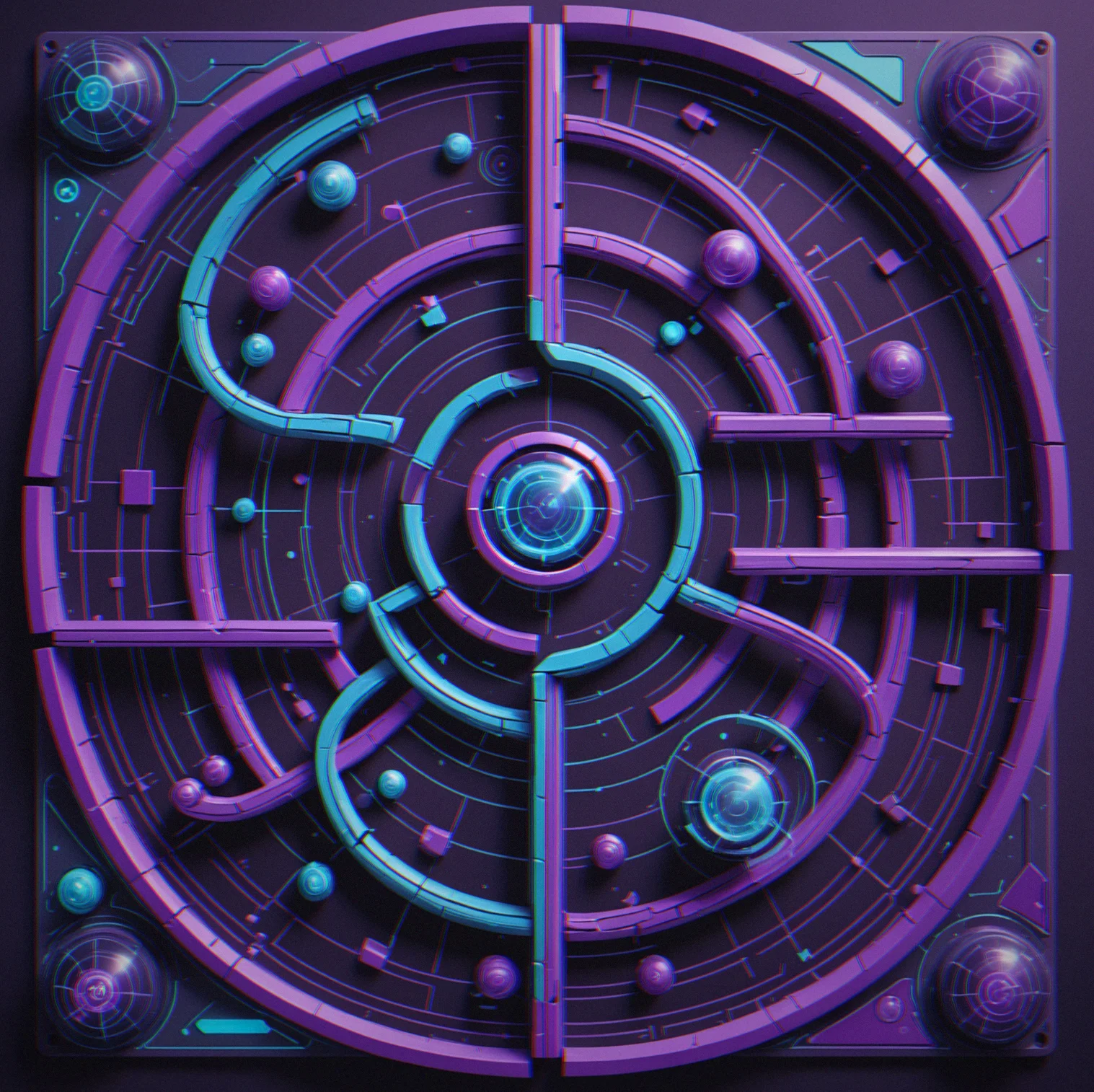
Field-based trajectory alteration
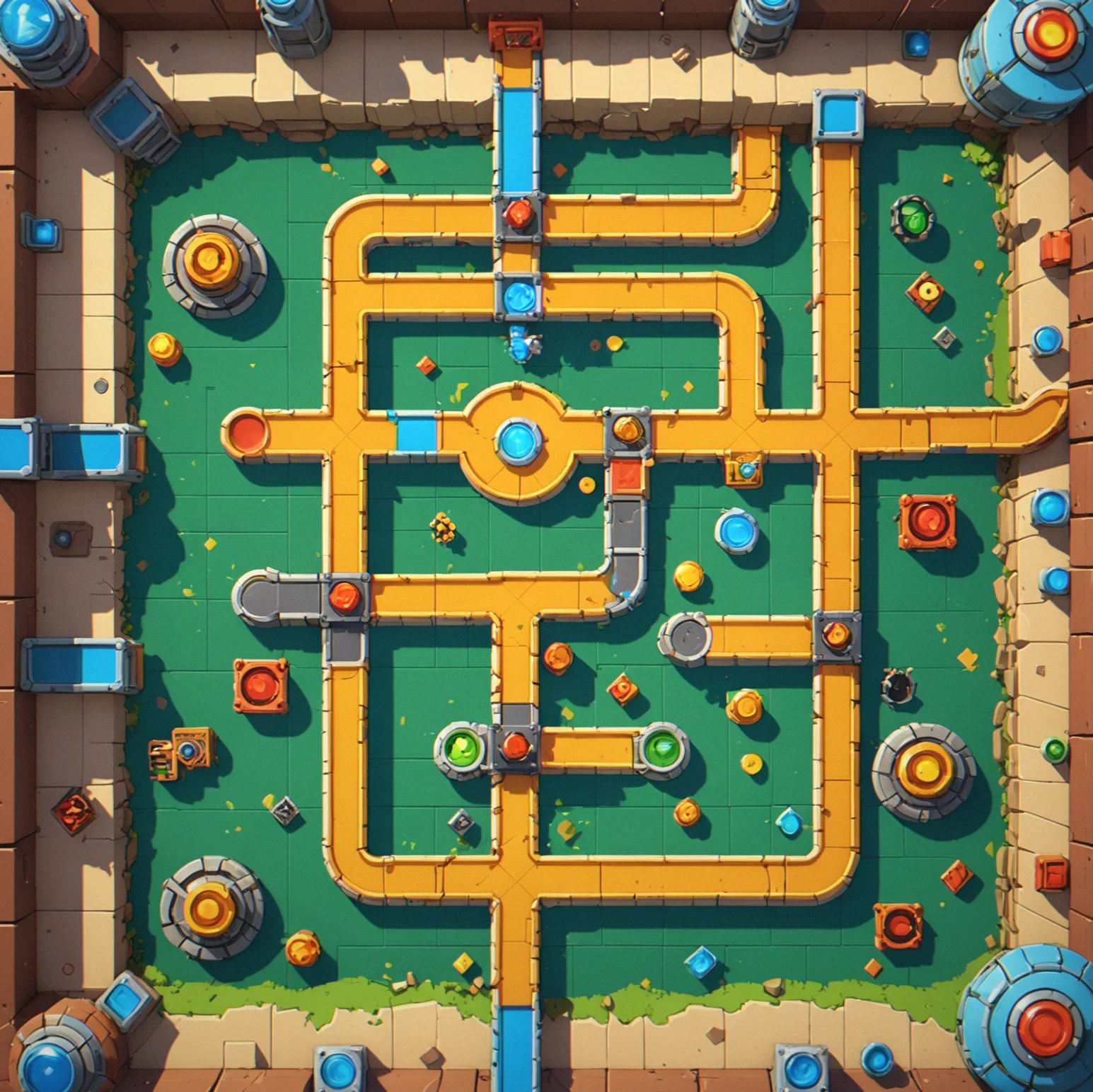
Full course progression
How Vector Puzzles Work
What does a vector puzzle actually look like when you're solving it? You draw force arrows, watch physics unfold, and either reach the target or learn why you didn't. The environment changes with each course—friction zones, moving platforms and force fields all shift how your vectors behave — that matters.
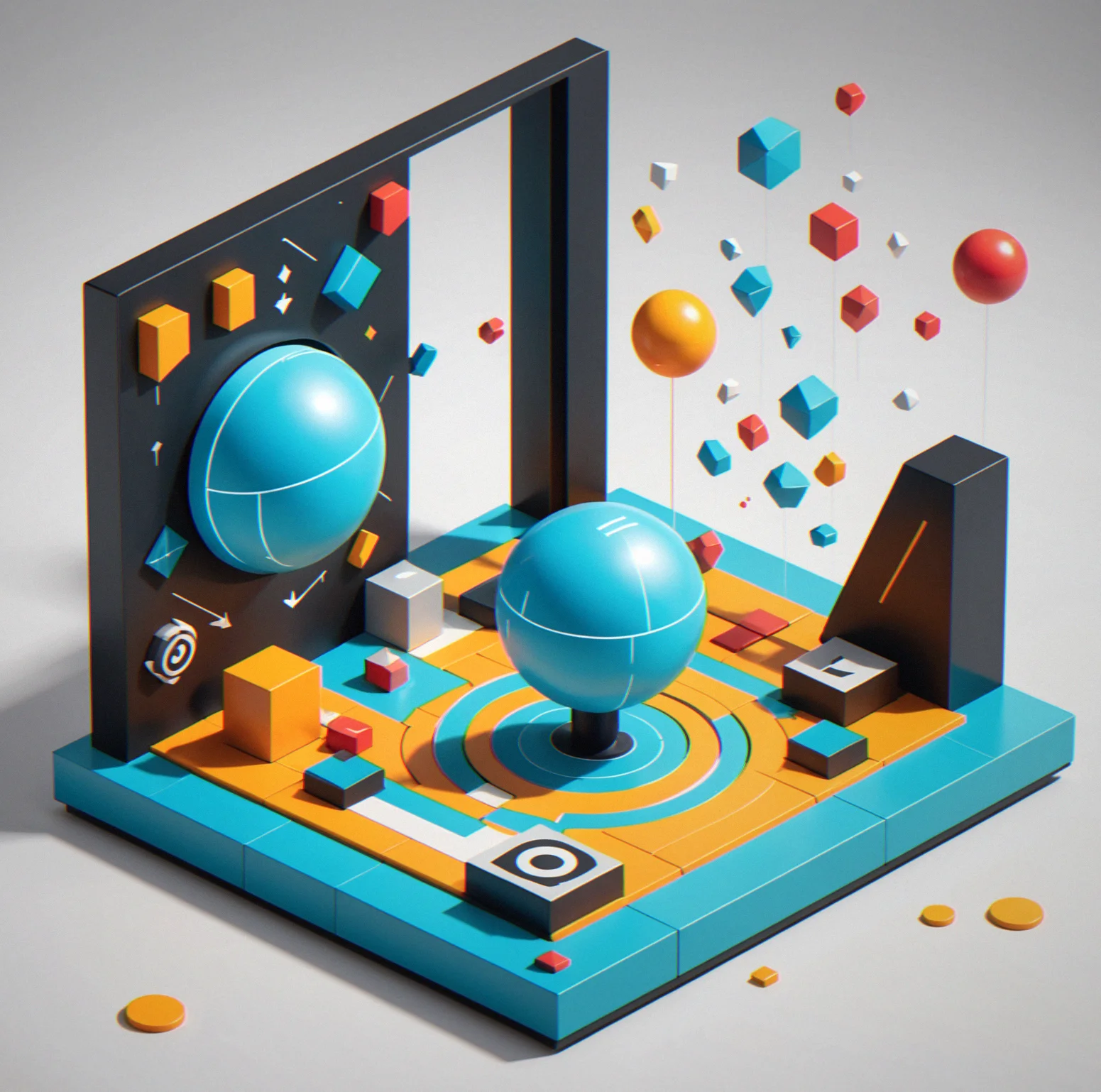
Setting your first vector
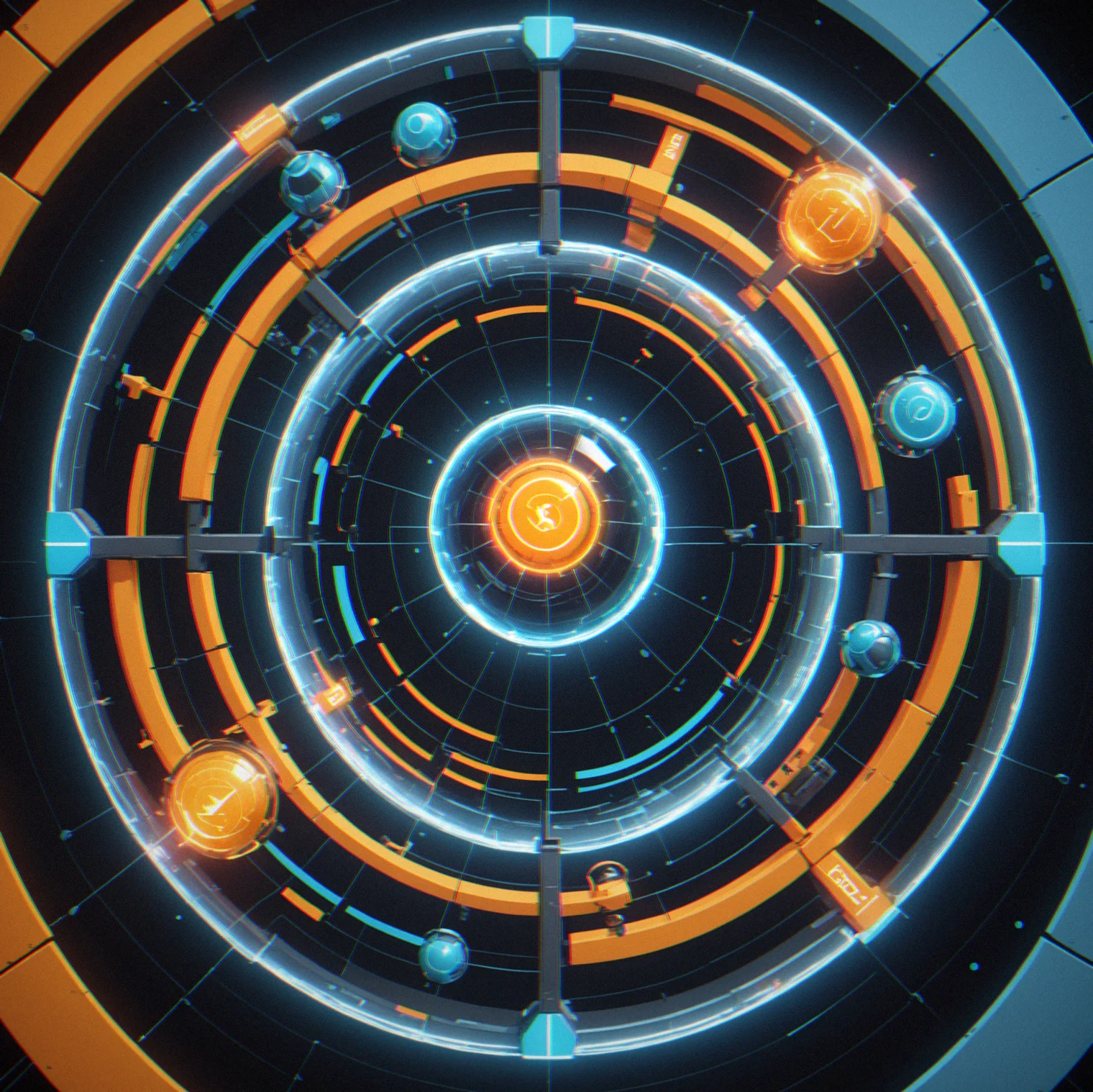
What friction does to your path
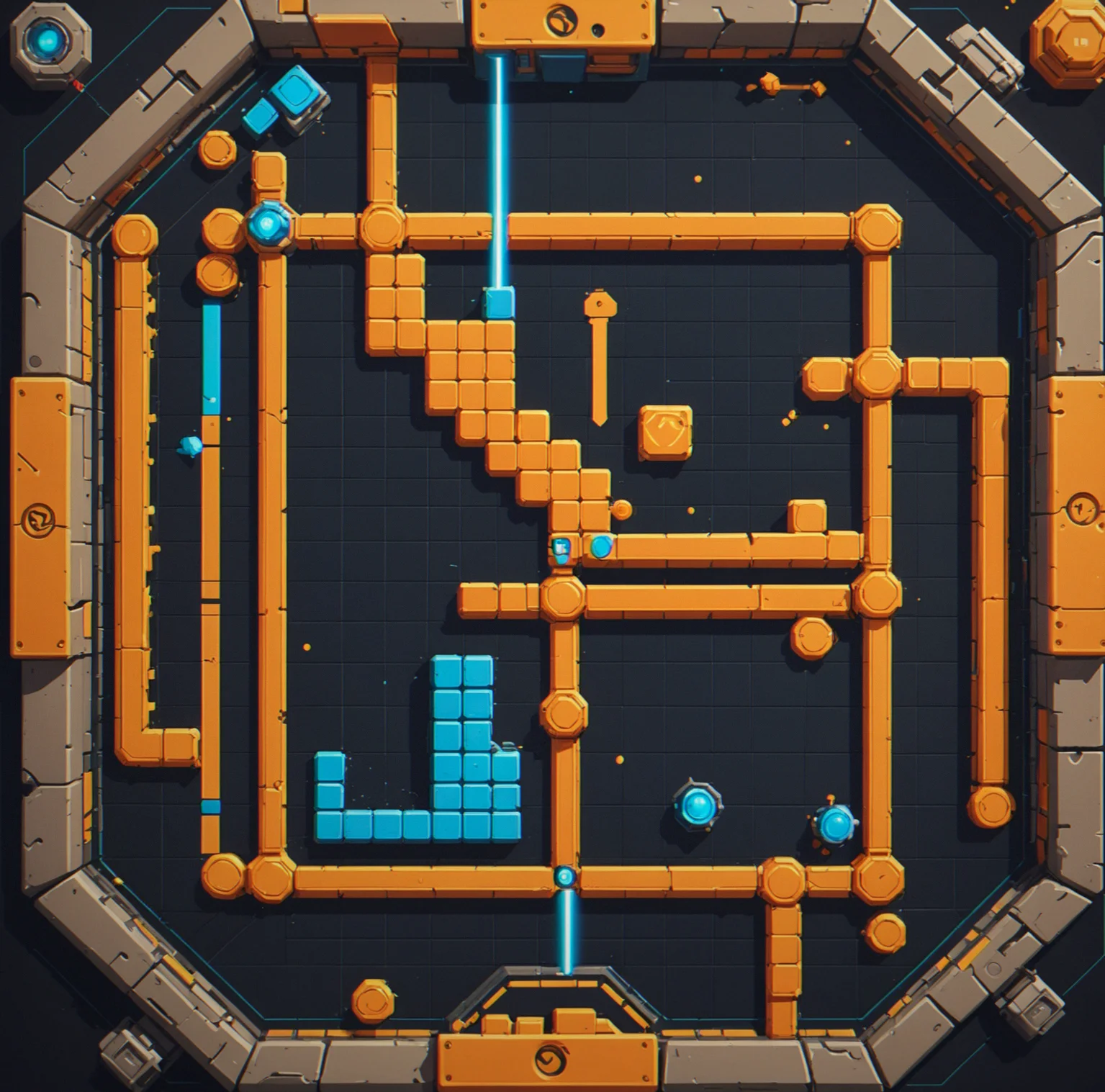
Timing it with moving platforms
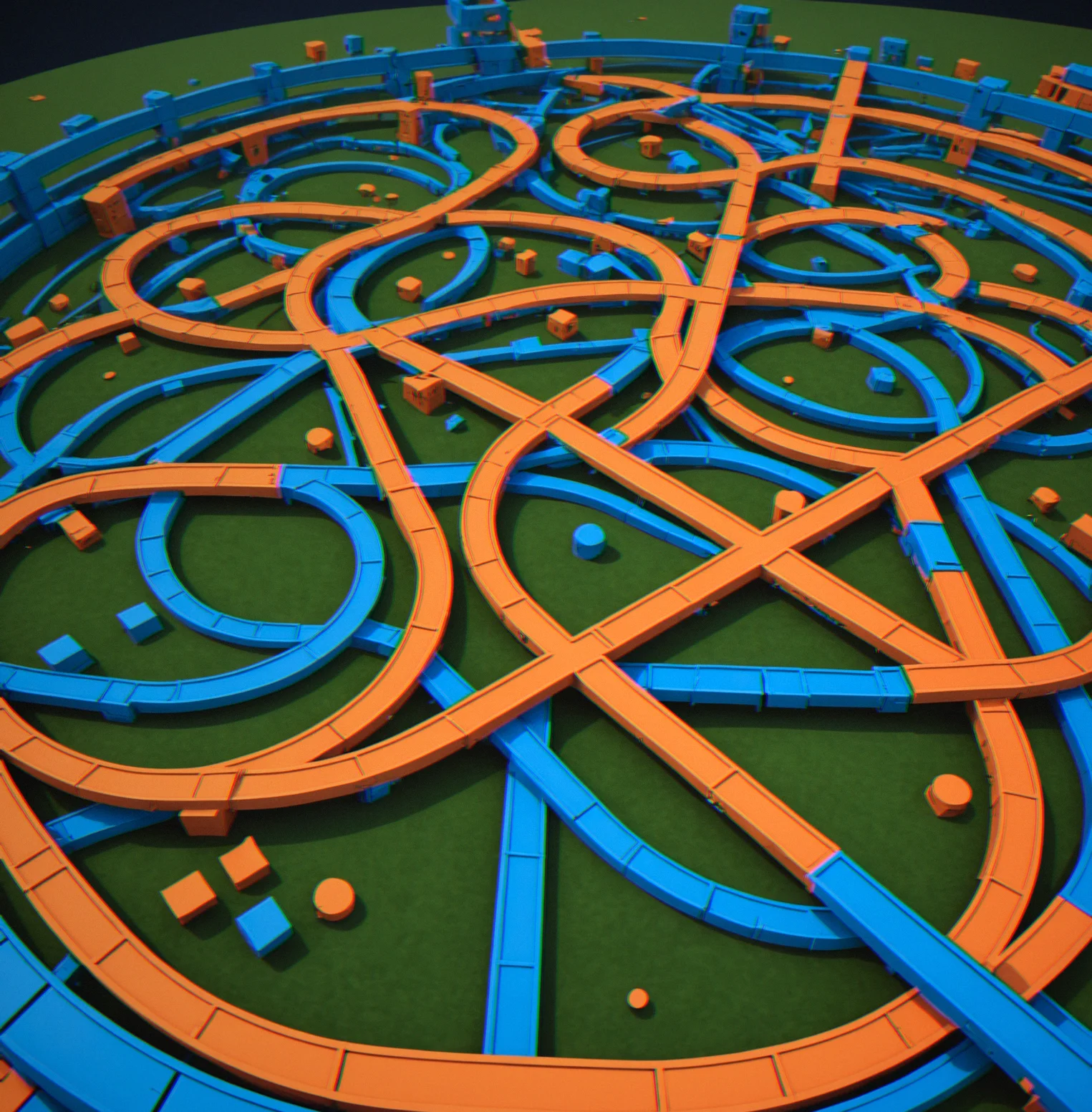
Stacked force fields
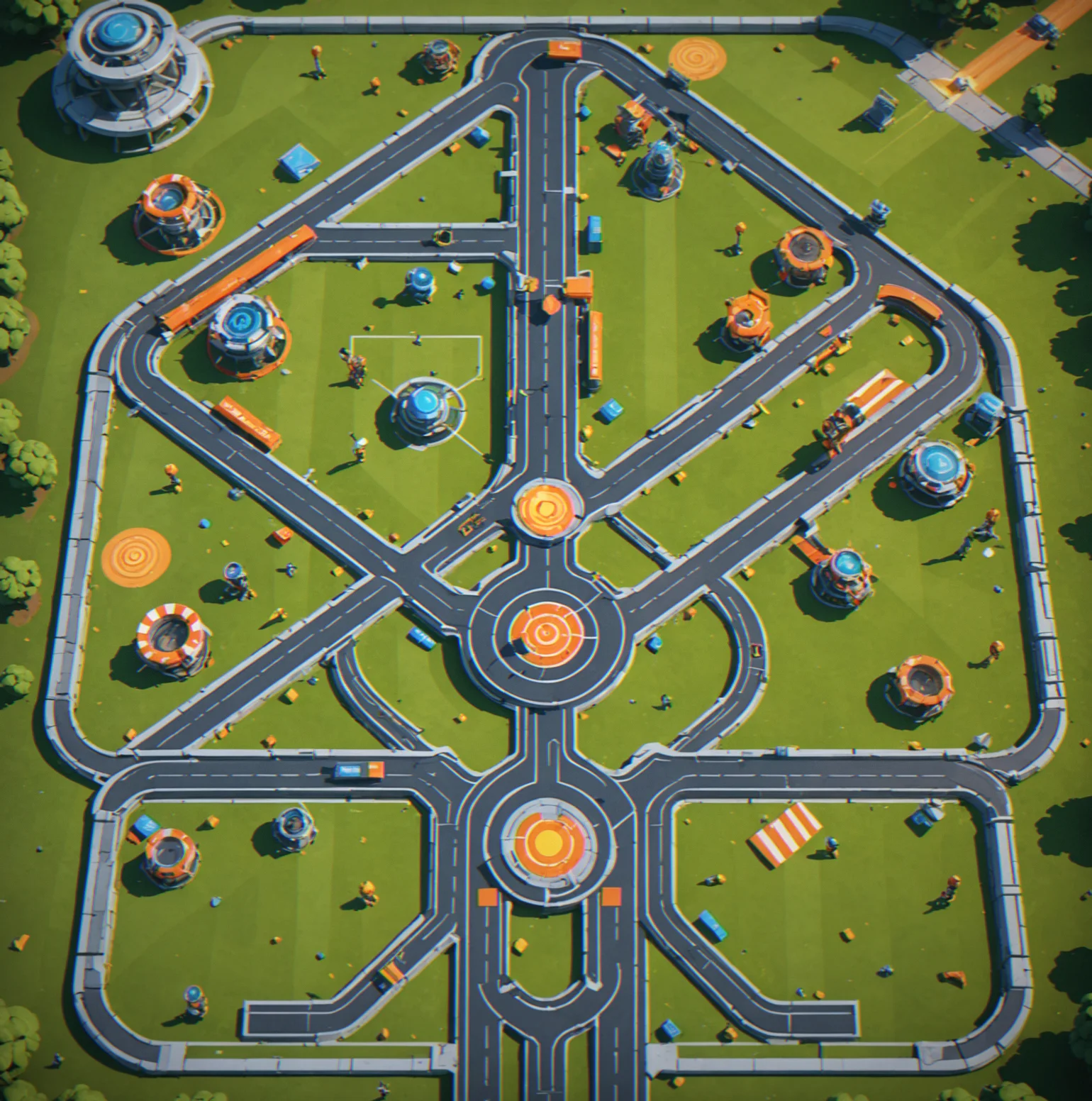
A full course from start to finish
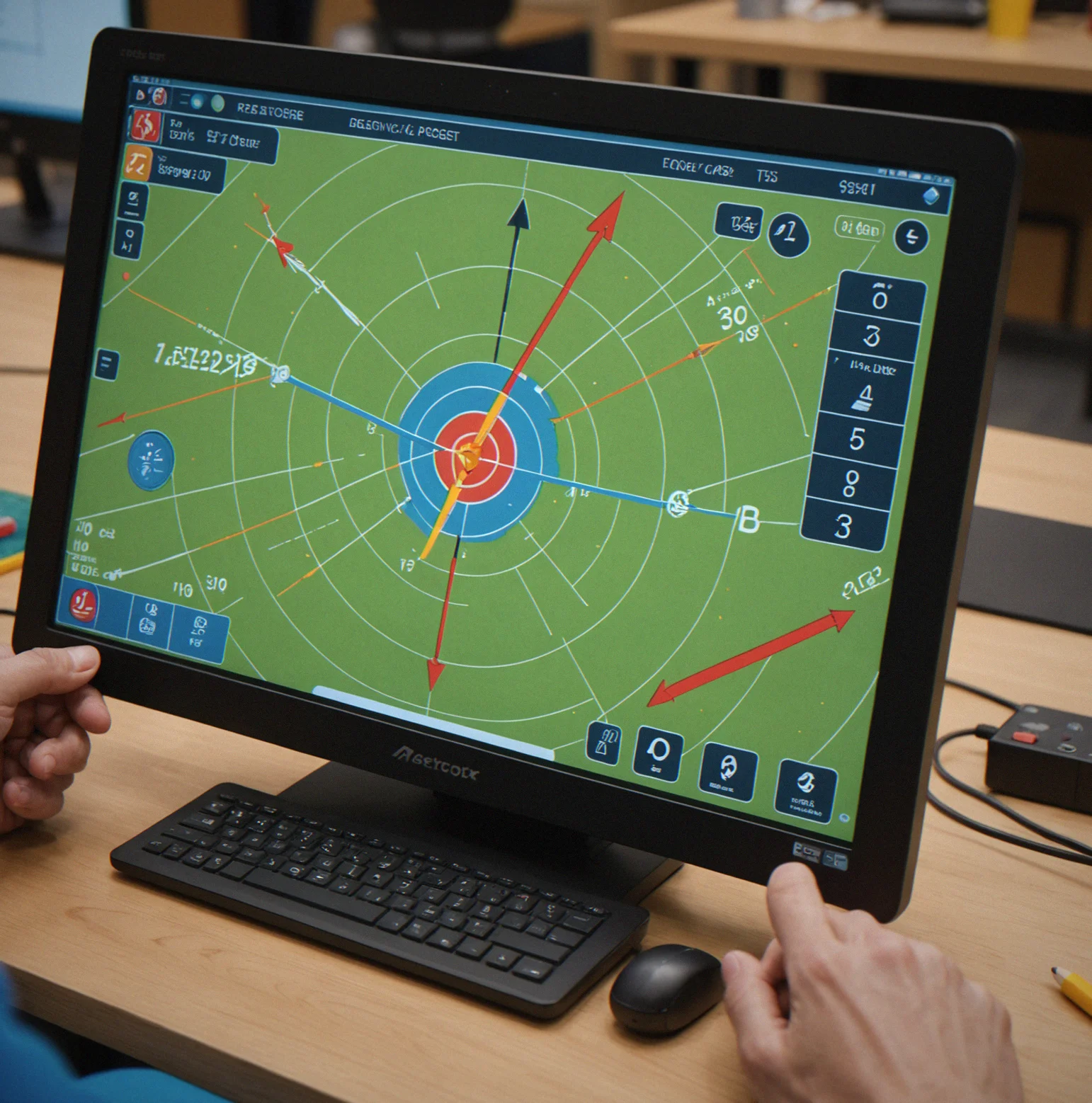
Getting the exact angle and force right
Common Questions
Questions About Vector Puzzles
These aren't your typical tile-matching or story-based games, so people's questions tend to be pretty specific. Here's what folks usually want to know before diving in.
Not really. Drawing vectors is a completely different beast from clicking. You're literally drawing force arrows where both the direction and strength actually matter. A 45-degree angle does something totally different than 47 degrees. Clicking's just on or off. Vectors exist along a spectrum. That's where the real spatial thinking kicks in.
Could be as quick as a couple minutes, could stretch past 20. Early on things move pretty fast. Once you hit the harder obstacles — moving platforms, friction zones, overlapping force fields — you're spending more time thinking. Some people blaze through level by level. Others bounce around and come back to tricky ones later. No timer, so you work at whatever speed makes sense.
Yeah, most of these games let you jump around freely. You're not trapped behind one puzzle. Some players march through in order. Others pick and choose. Skip something hard, try the next one, come back when you've had more practice with force fields — the game's built to let you do that.
The game teaches you. You don't need any background knowledge. Draw something, see what happens. After a handful of early puzzles you start feeling how angle and strength work together. Keep going and you'll actually predict where things will go before you even draw the vector. It builds naturally.
Hand-made, every single one. That's actually the point. Someone deliberately built each puzzle to teach you something specific about space and force. If it were randomly generated you'd lose that intentionality.
Plenty of times. Some puzzles basically have one clean answer. But others are more open — you might solve it one way, then come back weeks later and figure out a completely different approach using different angles or magnitudes. People enjoy revisiting old ones and discovering new paths.
You haven't messed up the physics. You've misread the puzzle itself. Check the obstacles again. Most repeated failures happen because you missed something or got the angle slightly wrong. Once you actually look at what's there, it clicks pretty fast. These games aren't about grinding — they're about understanding.
Neither, really. No leaderboards. No timer ticking down. No lives to lose. Vector puzzles are about thinking through space at your own pace. You're basically competing against yourself — your own grasp of physics and geometry. That's what draws in the people who actually want something to sink their teeth into, the ones who care more about depth than quick reflexes.
We drop new puzzles every six weeks or so. Want a heads up when they go live?
Get updates on Vector puzzles, breakdowns of the obstacle courses we design, and occasional rambling about how spatial reasoninng actually works. No spam, just the releases and the thinking behind them. You can bail anytime.